
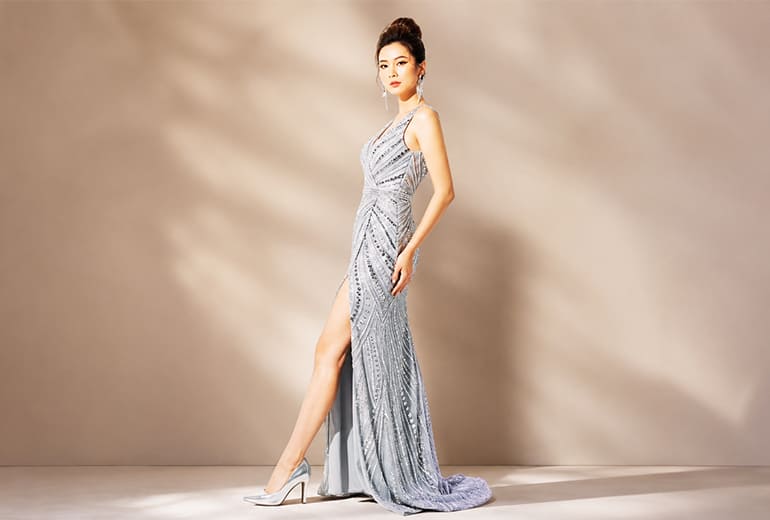
Certain dresses don’t just fit, they do more. The very moment you put them on, something shifts. You stand a little straighter, smile without realizing it, and suddenly the mirror reflects a version of yourself that feels natural, effortless, and completely authentic. It is not always about trends, labels, or price tags. Sometimes, a dress simply feels right immediately.
Anyone who enjoys dress shopping has experienced this moment at least once. You walk into a fitting room with low expectations, zip up a dress casually, and within seconds you know. There is no overthinking, no convincing yourself, and no need for extra opinions. The dress just works.
But why does this happen? Why do some dresses create an immediate emotional connection while others, even beautiful ones, leave us uncertain? The answer lies in a fascinating mix of psychology, comfort, identity, movement, and personal expression.
The Emotional Connection Starts Before the Mirror
When people shop for dresses, they are rarely searching for fabric alone. They are searching for a feeling. A dress often represents an occasion, a mood, or even a future memory. Whether it is for a dinner date, a wedding, a vacation, or everyday confidence, clothing carries emotional meaning.
The moment a dress aligns with how someone wants to feel, the connection becomes immediate. A person may not consciously analyze the stitching or silhouette in that moment. Instead, they respond emotionally. The dress reflects a version of themselves they recognize and enjoy seeing.
This is why the “right” dress can feel surprisingly personal. It is not simply clothing anymore. It becomes part of a moment of self-recognition.
Fit Plays a Bigger Role Than Fashion Trends
Trends may attract attention online, but fit is what creates comfort and confidence in real life. A dress that complements natural proportions often feels correct immediately because the wearer does not have to adjust, hide, or compensate while wearing it.
The properly-fitting dresses tend to do several things naturally:
- Allow comfortable movement
- Sit properly on the shoulders and waist
- Flatter the body without feeling restrictive
- Create balance in shape and proportion
- Feel secure without constant adjustment
When these elements come together, the body relaxes. That physical ease translates into emotional ease as well.
Interestingly, people often describe these dresses using emotional language rather than other details. They say things like:
- “I feel like myself in this.”
- “This feels effortless.”
- “I don’t want to take it off.”
- “This is exactly what I was looking for.”
That reaction usually signals that the dress fits both physically and psychologically.
Comfort Has a Powerful Psychological Effect
Comfort is often underestimated in fashion conversations. However, the dresses people truly love are usually the ones they can move, breathe, sit, and walk in comfortably.
A dress that feels soft against the skin or moves naturally with the body creates a sense of ease immediately. This physical comfort allows confidence to take center stage instead of distraction.
On the other hand, uncomfortable dresses create mental noise. If someone is constantly adjusting straps, worrying about wrinkles, or feeling restricted, they remain focused on the garment rather than enjoying themselves.
This explains why some dresses may photograph beautifully online yet fail in person. Visual appeal alone cannot replace real comfort.
Personal Style Recognition Happens Immediately
People often have a stronger sense of personal style than they realize. Even if someone cannot fully describe their aesthetic, they usually know when a piece feels aligned with their identity.
Some individuals naturally gravitate toward minimal silhouettes. Others feel confident in bold colors, flowing fabrics, romantic cuts, or structured tailoring. When a dress matches these internal preferences, recognition happens immediately.
This is why two people can try on the exact same dress and have completely different reactions. One person may feel transformed, while another feels disconnected.
The “ideal” dress is rarely universal. It is deeply personal.
Fabric Movement Changes Everything
One of the biggest differences between online shopping and in-person fitting is movement. A dress may look beautiful in a static image, but movement reveals its true personality.
The way fabric flows while walking, sits while standing, or shifts while turning around can completely change how a dress feels. Lightweight materials may create elegance and freedom, while structured fabrics can provide confidence and polish.
When the movement of a dress feels natural to the wearer, it creates harmony between clothing and body language. That harmony often triggers the immediate “yes” feeling.
It is less about flawlessness and more about alignment.
Color Psychology Matters More Than People Think
Certain colors naturally enhance skin tone, brighten facial features, or create emotional comfort. When someone tries on a dress in a shade that complements them well, the effect can feel dramatic even if they cannot explain why.
Warm tones may create softness and energy. Cooler shades may feel calming and sophisticated. Neutral colors often create versatility and timelessness.
Sometimes the right color changes the entire emotional experience of wearing a dress. A person who normally feels unsure about shopping may suddenly feel radiant simply because they found a shade that works beautifully for them.
This emotional response is immediate because humans react strongly to color, often subconsciously.
Confidence Is Often the Real Difference
Many people believe the ideal dress changes how they look. In reality, the biggest transformation is usually how they feel.
Confidence changes posture, expression, movement, and energy. A dress that creates confidence immediately becomes memorable because the wearer quits focusing on flaws and starts focusing on presence.
This explains why some dresses become favorites for years. They are associated with positive experiences, compliments, celebrations, and moments of self-assurance.
The emotional memory attached to a dress can be stronger than the garment itself.
The Mirror Experience Is More Emotional Than Logical
Trying on dresses is rarely a purely rational process. People often enter fitting rooms carrying expectations, insecurities, excitement, or uncertainty.
When a dress unexpectedly makes someone feel attractive, relaxed, or empowered, the emotional impact becomes significant. That immediate connection feels surprising because it cuts through doubt immediately.
This is also why shopping experiences matter. Lighting, comfort, mirrors, and atmosphere can influence emotional reactions. A calm, enjoyable environment allows people to focus on how the dress truly feels rather than rushing through the experience.
Sometimes Simplicity Wins
One interesting pattern in dress shopping is that the dresses people love many of them are not always the highly dramatic ones. Often, the immediate favorites are surprisingly simple.
Why? Because simplicity allows the wearer to shine rather than compete with the clothing.
Overly complicated designs can sometimes feel like costumes instead of extensions of personal style. Meanwhile, a well-cut, thoughtfully designed dress can create elegance without demanding attention.
That effortless quality is often what creates the immediate emotional connection people remember.
The Right Dress Reflects the Right Moment
Timing also matters more than people realize. A dress that feels appropriate today may not have felt right a year ago. Personal style evolves alongside confidence, lifestyle, and emotional growth.
Sometimes people connect deeply with a dress because it matches who they are becoming, not just who they currently are.
A new career, a milestone event, a vacation, or even a shift in mindset can influence what feels right emotionally. Clothing often mirrors these transitions quietly but powerfully.
This is why dress shopping can occasionally feel surprisingly emotional. It is not only about appearance. It is about identity and self-expression.
Final Thoughts
The reason some dresses immediately feel right has very little to do with chasing trends or impressing others. The connection usually comes from a combination of comfort, fit, movement, confidence, color, and emotional recognition.
The right dress does not force confidence. It reveals it.
When someone finds a dress that aligns with their personality, flatters naturally, and allows them to feel comfortable and expressive, the reaction is immediate. There is no complicated explanation needed. They simply know.
And perhaps that is what makes dress shopping so memorable. Beyond fabrics and silhouettes, every great dress has the potential to create a moment where someone looks in the mirror and feels completely like themselves.