
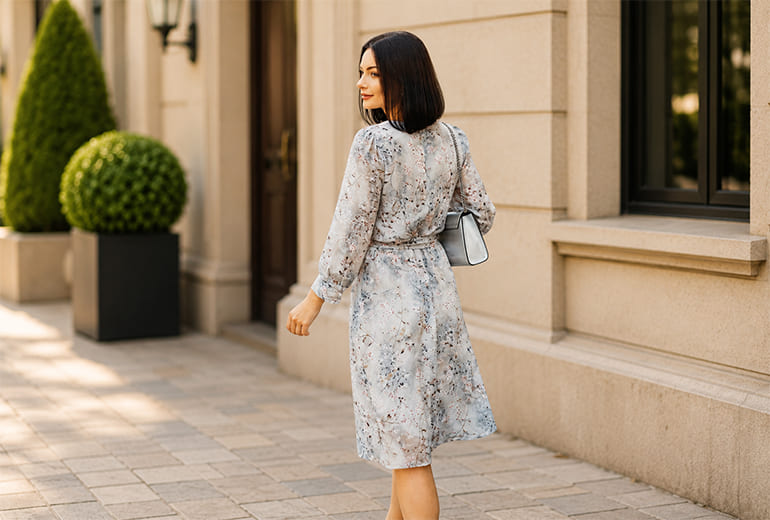
Rarely dress shopping is about clothing. Where you are in your life, how you see themselves, and what ultimately matters to you at certain moments, are some of the key areas that reflect in your dress shopping habits.
When you select a dress during teenage years, it is more likely to represent self-expression and experimentation. Dresses that are purchased later in your life are more likely to prioritize versatility, confidence, comfort, or even practicality.
Your personal identities, lifestyles, and responsibilities evolve with time, thereby, changing your shopping habits as well. A particular style that you once loved will feel unsuitable after a certain age. Now completely different priorities shape your dressing habits and perceptions.
Understanding how dress shopping evolves across different life stages offers fascinating insight into fashion, personality, and personal growth. It also explains why wardrobes rarely stay the same forever.
Teenage Years: Exploring Identity Through Fashion
For many people, teenage years are the first stage where fashion becomes deeply personal. Dress shopping during this time is often heavily influenced by trends, social media, celebrities, friend groups, and the desire for self-expression.
Teen shoppers typically experiment more freely because they are still discovering what styles feel authentic to them. Bold colors, statement pieces, trendy silhouettes, and fast-changing fashion trends often play a major role.
At this stage, shopping decisions are usually influenced by:
- Social trends
- Popular culture
- Peer opinions
- Online inspiration
- Emotional excitement
- Budget limitations
Teen shoppers are often drawn toward clothing that helps them feel included, expressive, or unique. Fashion becomes a way to communicate personality without words.
Comfort may still matter, but emotional connection and appearance often take priority over practicality.
Early Adulthood: Building Confidence and Independence
As people move into their twenties, dress shopping habits often begin shifting toward independence and personal confidence. This stage usually includes major life transitions such as university, first jobs, travel, social events, or new lifestyles.
Shopping becomes slightly more intentional because clothing now needs to fit different environments and responsibilities.
People in this stage often look for dresses that can balance:
- Style and professionalism
- Trendiness and versatility
- Affordability and quality
- Social occasions and daily wear
Experimentation still exists, but many shoppers begin recognizing patterns in what actually suits them. Instead of buying every trend, they slowly start identifying preferred colors, fabrics, and silhouettes.
This period is often when personal style truly begins developing.
Many people also become more aware of quality during this stage. Rather than purchasing clothing solely for short-term excitement, they may start purchasing dresses that feel wearable across multiple occasions.
Career Growth and Lifestyle Changes: Practicality Meets Style
As careers and daily responsibilities expand, shopping priorities often change significantly. Time becomes more limited, schedules become fuller, and practicality starts influencing fashion decisions more strongly.
People may begin searching for dresses that offer:
- Comfort during long days
- Easy styling options
- Professional appearance
- Dependable quality
- Versatility across occasions
At this stage, impulse shopping often decreases because wardrobes need to function efficiently. Many individuals prefer dresses that can transition easily between work settings, dinners, gatherings, or travel.
Neutral tones, timeless cuts, and adaptable pieces often become more appealing because they simplify decision-making.
Interestingly, this phase does not necessarily mean abandoning fashion trends entirely. Instead, people often become more selective about which trends align with their lifestyle and personal preferences.
Confidence also tends to grow during this stage. Rather than dressing mainly for external approval, many shoppers begin prioritizing how clothing makes them personally feel.
Relationships, Milestones, and Special Occasions
Life milestones can strongly influence dress shopping habits. Weddings, engagements, vacations, celebrations, family gatherings, and social events often reshape how people approach fashion.
During these periods, shoppers may seek dresses that feel meaningful, memorable, or emotionally connected to important experiences.
For example, people may prioritize:
- Elegant fabrics
- Sophisticated silhouettes
- Comfort for long events
- Photogenic styles
- Emotional confidence
The emotional role of fashion becomes especially noticeable here. A dress is no longer just an outfit; it becomes part of a memory.
Many shoppers also become more thoughtful during this stage about choosing dresses they can realistically wear again instead of purchasing single-use items.
This shift reflects growing awareness around value, sustainability, and intentional shopping.
Parenthood and Changing Priorities
For many individuals, parenthood significantly changes shopping habits. Convenience, comfort, flexibility, and practicality often become much more important than following fashion trends closely.
This does not mean personal style disappears. Instead, fashion choices often become more functional and adaptable to busy routines.
People in this stage may prioritize dresses that are:
- Easy to move in
- Comfortable for extended wear
- Low-maintenance
- Versatile for different activities
- Durable and practical
Shopping efficiency also becomes increasingly valuable. Instead of spending hours searching endlessly, many shoppers prefer dependable styles and correct fits that simplify the process.
At the same time, many people rediscover the importance of clothing that helps them feel confident and connected to themselves beyond daily responsibilities.
A well-chosen dress can provide a sense of identity, comfort, and confidence during demanding periods of life.
Personal Style Maturity: Dressing With Intention
As people grow older, many develop a clearer understanding of what works for them personally. Shopping becomes less about trends and more about alignment with lifestyle, comfort, and self-confidence.
This stage often includes stronger preferences regarding:
- Fabric quality
- Tailoring and fit
- Timeless silhouettes
- Comfortable construction
- Long-term wearability
People become more selective because they understand their own style better than before. They know which cuts flatter them, which colors feel natural, and which dresses they actually enjoy wearing repeatedly.
This stage often results into fewer impulse purchases and more thoughtful wardrobe building.
Many individuals also begin valuing emotional comfort just as much as physical comfort. Clothing that feels authentic and effortless tends to become more important than attention-grabbing fashion statements.
Fashion Confidence Often Increases with Age
One of the highly interesting shifts in dress shopping habits is that confidence often grows over time.
Younger shoppers may feel pressure to follow trends or seek approval through fashion choices. However, with experience, many people become more comfortable dressing according to their own preferences instead of external expectations.
This confidence changes shopping behavior dramatically.
People may become more willing to:
- Ignore short-lived trends
- Prioritize comfort
- Choose timeless pieces
- Experiment selectively
- Purchase quality over quantity
Fashion becomes less about fitting in and more about personal satisfaction.
As a result, wardrobes often become more refined, cohesive, and reflective of individual identity.
Lifestyle Always Shapes Fashion Choices
One important truth remains consistent across every life stage: lifestyle strongly influences shopping habits.
Someone working remotely may shop differently than someone attending formal events regularly. A frequent traveler may prioritize wrinkle-resistant fabrics, while someone with an active social calendar may look for statement pieces.
Fashion choices naturally adapt to:
- Daily routines
- Career demands
- Climate
- Social environments
- Personal responsibilities
- Comfort preferences
This is why personal style evolves continuously rather than staying fixed forever.
The dresses that feel ideal during one stage of life may no longer suit another, and that is completely natural.
The Emotional Side of Dress Shopping Never Fully Disappears
Although shopping habits become more practical over time, the emotional side of fashion rarely disappears entirely.
People still search for dresses that make them feel:
- Confident
- Comfortable
- Attractive
- Relaxed
- Expressive
- Authentic
No matter the life stage, clothing continues to influence self-image and emotional experience.
That emotional connection is part of what makes fashion so personal. A dress can represent confidence during an important event, comfort during a busy phase of life, or excitement during a fresh beginning.
Final Thoughts
Dress shopping habits change naturally as people move through different stages of life. What begins as trend-driven experimentation often evolves into intentional, confidence-based decision-making shaped by lifestyle, comfort, and personal identity.
Teenage years may focus on exploration and trends, while later stages prioritize versatility, quality, practicality, and authenticity. Yet throughout every stage, one thing remains constant: people want dresses that help them feel like the ultimate version of themselves.
Fashion evolves because people evolve.
And perhaps that is what makes dress shopping so meaningful. Every wardrobe quietly tells the story of changing priorities, experiences, confidence, and personal growth over time.